Due to a recent change in our pharmacy software system, the process for submitting refill requests online has now changed.
Our previous mobile app and your current login credentials will no longer work.
Please click the Patient Portal tab to begin the new process.
Thank you for your patience during this transition.

Get Healthy!
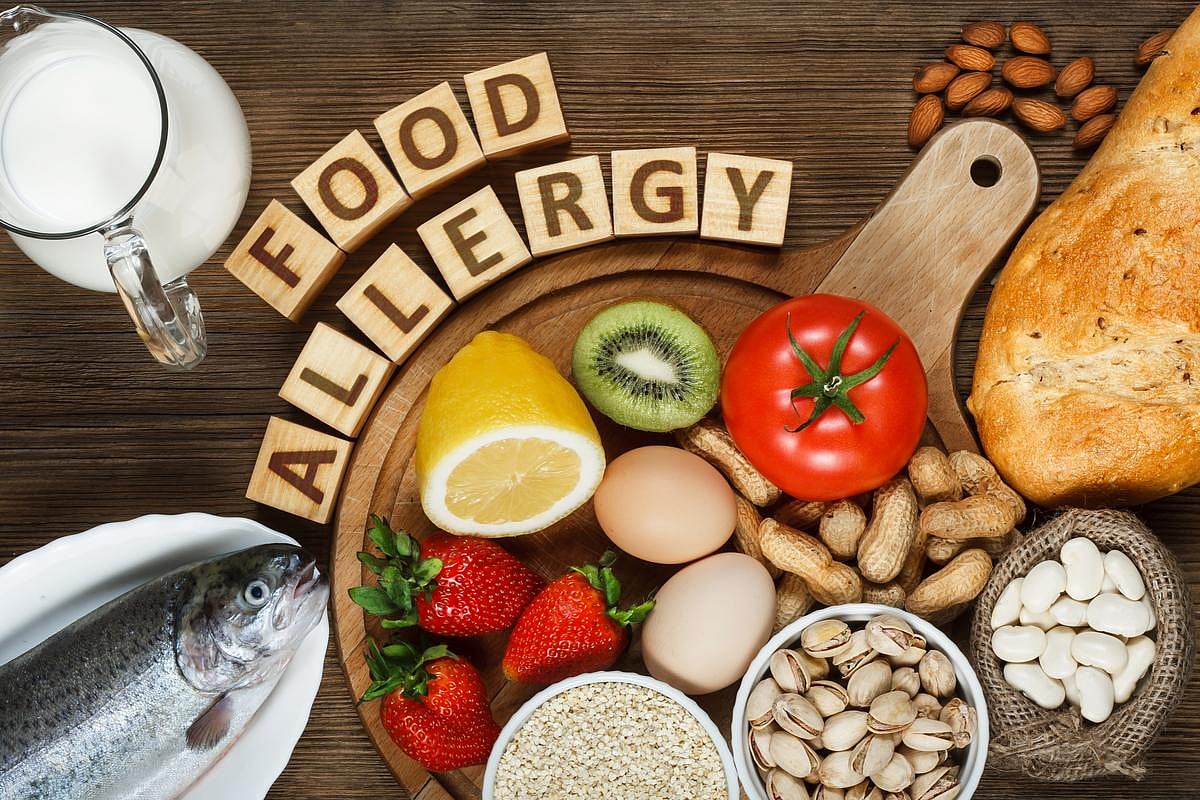
- Posted April 14, 2026
Gut Bacteria Might Drive Rare Food Allergy in Children, Study Finds
Gut bacteria could be driving the problems of children with a rare but serious food allergy condition, a new study says.
Kids with food protein-induced enterocolitis syndrome (FPIES) have gut bacteria profiles that differ significantly from healthy children, researchers reported in The Journal of Allergy and Clinical Immunology.
These results provide a window into FPIES that could potentially result in a treatment or cure, researchers said.
“Our results reveal clear differences in the gut bacterial composition of children with FPIES, an area where knowledge has so far been limited,” researcher Kotryna Simonyte Sjödin, an associate professor of molecular medicine at Umeå University in Sweden, said in a news release.
FPIES occurs without the usual allergy antibodies, with symptoms appearing more slowly and mainly affecting the GI tract rather than causing rashes or breathing problems, researchers said.
The condition typically begins during infancy and can lead to severe vomiting, diarrhea and circulatory problems, researchers said.
“FPIES is a clinically challenging diagnosis, and today we lack reliable biomarkers. By linking clinical observations with detailed analyses of the gut microbiota, we can gradually build a more coherent picture of the disease,” lead researcher Dr. Anna Winberg, an associate professor of clinical sciences at Umeå University, said in a news release.
For the new study, researchers compared stool samples from 56 children with newly diagnosed FPIES against others from 43 children without allergies.
Results showed that FPIES is clearly associated with differences in gut bacteria. Children with FPIES had lower levels of Bifidobacterium and Verrucomicrobiota, while bacteria such as Bacteroides, Haemophilus and Veillonella were more abundant.
The researchers also found that nearly all food triggers were associated with lower levels of Verrucomicrobiota, including corn, egg, fish, milk, peanut and banana.
Children’s gut microbiome changed as they aged, but FPIES remained an independent factor for gut bacteria regardless of age, researchers found.
Bifidobacterium contribute multiple benefits to growing babies – aiding the digestion of breast milk, promoting GI health and stimulating the maturation of the immune system, researchers wrote in their paper.
Likewise, Verrucomicrobiota is important for integrity of the gut barrier, protecting against absorption of potential allergens, researchers wrote.
However, the team could not say why some children wind up with a gut bacteria profile linked to FPIES. Their analysis ruled out factors like C-section delivery or treatment with antibiotics as being the sole reason why FPIES occurs.
“Over time, these findings may contribute to the development of more individualized strategies for diagnosis, prevention or treatment, although such applications will require further research,” senior researcher Christina West, a professor of pediatrics at Umeå University, said in a news release.
More information
Children’s Hospital of Philadephia has more about FPIES.
SOURCES: Umeå University, news release, April 2, 2026; Journal of Allergy and Clinical Immunology, online, March 11, 2026


